
Why I've built Semarize.
I’m a firm believer in stating your thesis and I find immense value in making habit of getting my thoughts out of mind and onto paper. I wanted to do exactly that sharing why I’ve built Semarize, what I want it to be, and what I want to help people to do using it. If the format of this looks crap, it’s because this is deliberately just me, a pen and paper and a Google Doc. Sorry Claude, not this time.
Most of my career has been spent in tech, either in sales or sales adjacent, and this is a world that has moved FAST, especially in the last few years. The science of scaling has always been something I’ve found super interesting - Academically I’m a Process (chemical) Engineer, and so my brain has always been in understanding, digesting, tweaking and experimenting.
The concept of architecting anything and everything to be more efficient, have a higher yield or carry a lower cost is all part of the way that I’m wired, and go to market has never been any different; Impressions, clicks, leads, opportunities & sales, they all have conversion rates and are opportunities for optimisation.
The problem is that in sales, there are SO MANY contributing factors, and quite few actual data points to go off. The ability to understand the impact of any initiative is tied inherently to a pipeline of sorts, meaning that everything is tied to these things:
- Volumes (lead and opportunity volumes)
- Value (like deal size)
- Stage duration (think time in stage/deal length)
- Stage conversion (lead to sale or stage to stage conversion)
One problem with this isn’t the obvious lack of data diversity, but it LAGS. Anything that impacts these metrics won’t emerge until pipeline itself is updated - deal intelligence helps you to semantically understand this at deal level, but not really at reporting.
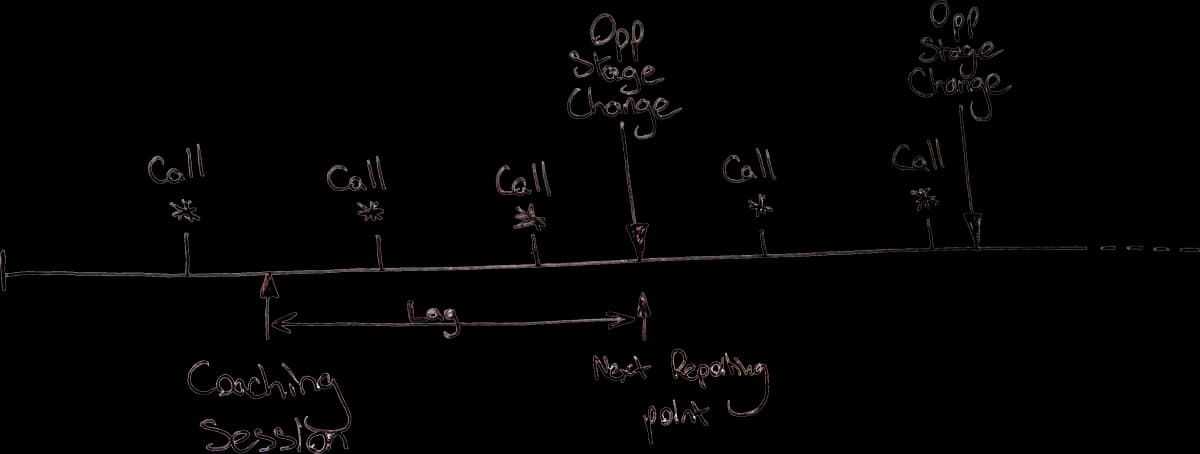
Something goes right on a call? Great. But is this deal now moving faster? You won’t know until the stage is updated and you can reconcile the time in that stage against the average, OR until that opportunity time in stage creeps past the average. If you’re a company with anything other than high velocity SME focused sales this approach doesn’t really provide much reportable insight into what IS happening, only what HAS happened.
And then there’s the final problem: EVERY initiative impacts these - The ability for departments to identify the impact of their work has become an attribution nightmare, and one that WILL NOT get solved. You cannot simply invent a way to show what uplift came from better upstream marketing profiling of ICP, what came from training SDRs to do better qualification leading to tighter prospects, or what is as a result of evolving product maturity impacting product market fit.
I had a single hypothesis:
If teams can easily create structured data points that enable them to track the behaviours of teams that interact with prospects and customers, or customers themselves, could that help drive decision making, reporting and automation in a way that helps businesses move faster, make decisions with higher conviction and track the impact of those decisions and actions.
My simplest example is this: As an enablement leader, if I could programmatically score the discovery & questioning capability of SDRs on a qualification call, I could quantifiably demonstrate the impact of training with the scores of SDRs before and after training.
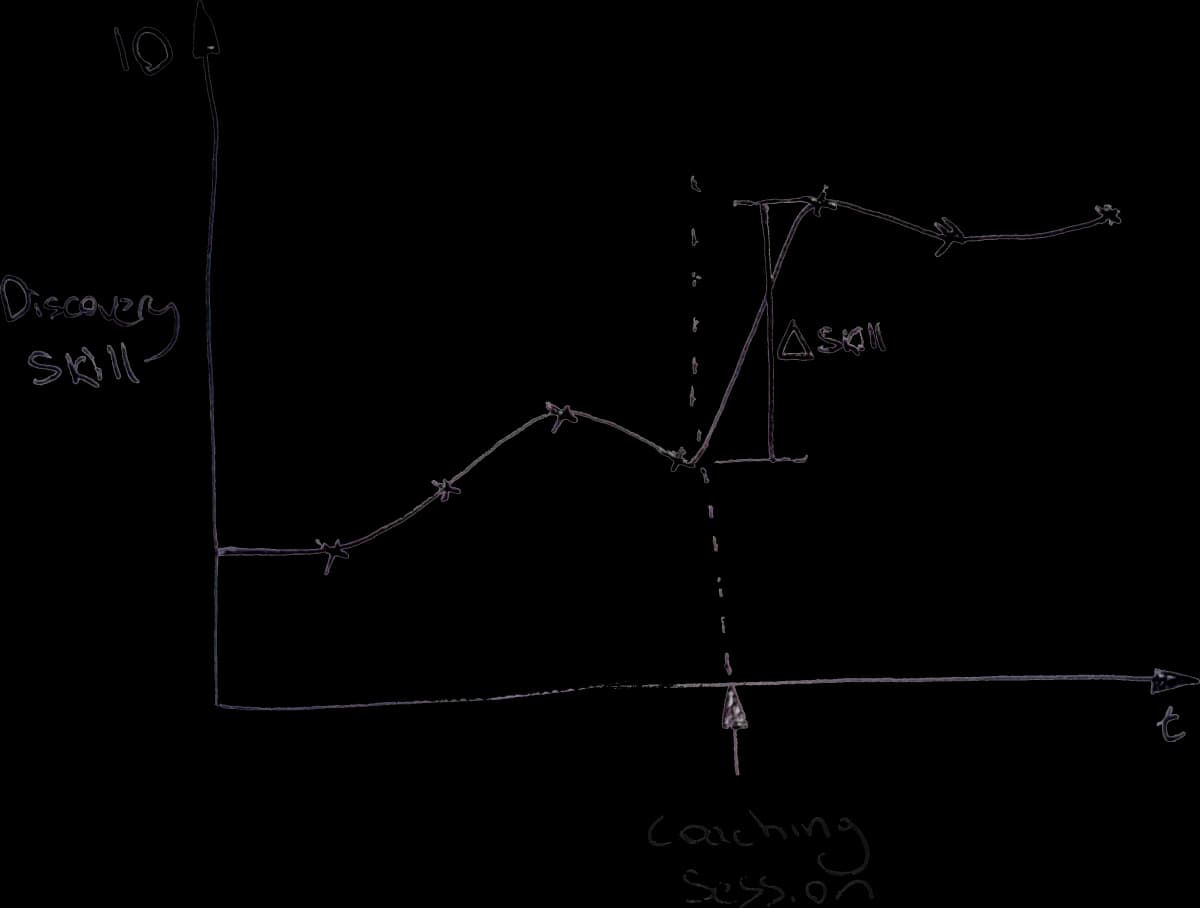
I could then proactively monitor cohorts to see how long training & skills were retained for, identify who is most at need, and quantify the difference in skill between staff.
This is where the idea for Semarize came about.
It’s important for me to put on record that i’m a BIG FAN of existing Conversational Intelligence platforms, I’ve been a buyer of the biggest as a Revenue Enablement leader - I really do have huge admiration for these platforms and how they have materially moved forwards the craft of sales with their platforms and insights.
But I believe that we can go a lot further: There’s immense value sitting in the unstructured data of the conversations that we have daily, but I feel that industry innovation steered off far more towards deal intelligence, where everything then kind of stopped, businesses are more than just frontline reps.
Going further requires a different lens on conversational intelligence, one that provides it to a broader audience in a simpler more stripped back manner, without compromising on the depth or capability of the intelligence:
- AI native
- API native
- No seat based pricing
- No platform requirement
We’re in a new world of builders, GTM engineers and technical revops & BI teams, conversational intelligence should sit as a core driver of automations, vibe-coded dashboards and GTM apps that help drive business at scale.
It should also be accessible in a way that allows people to built using the tools, knowledge & documentation they already have, instead of needing complex AI setups, RAG pipelines and database architectures.
And that’s what Semarize is.
Using Semarize, you can quickly and easily build complex scoring rubrics & ruleset that can be run against every call in your business, and you can even do it using Claude. Add your documents, playbooks & guidelines so that these rules are grounded in business knowledge and logic, and invite your colleagues and teammates to build their own kits also.
Processing a conversation is as simple as sending the conversation transcript to the API with the Kit ID you want to run, and you get structured data back.
Use it to power automations, flows or load it into dashboards, apps & CRMs, and pay for only what you use.
I’m super excited to see how people use Semarize, what they do with the data or even how they build using the data, and I’m only just getting started. The concept of Conversational Intelligence is one that I think can go way deeper, with more intelligence offering so much more value beyond just deals.
This is conversational intelligence for the entire business.
This is Semarize.
LMKWYT.

Alex Handsaker, Semarize Founder